Legal Basis
Forensic assessment in civil proceedings is governed by:
- The 2012 Law on Forensic Assessment (amended 2020)
- The 2015 Civil Procedure Code (Articles 102-104)
- Implementing Decrees: Decree 85/2013/NĐ-CP (amended by Decree 157/2020/NĐ-CP)
Under Article 2 of the 2012 Forensic Assessment Law, forensic assessment is "the use of knowledge, instruments, scientific and technical methods by forensic assessors to provide expert conclusions on professional matters related to prosecution, investigation, trial, and judgment enforcement."
Types of Assessment in Civil Cases
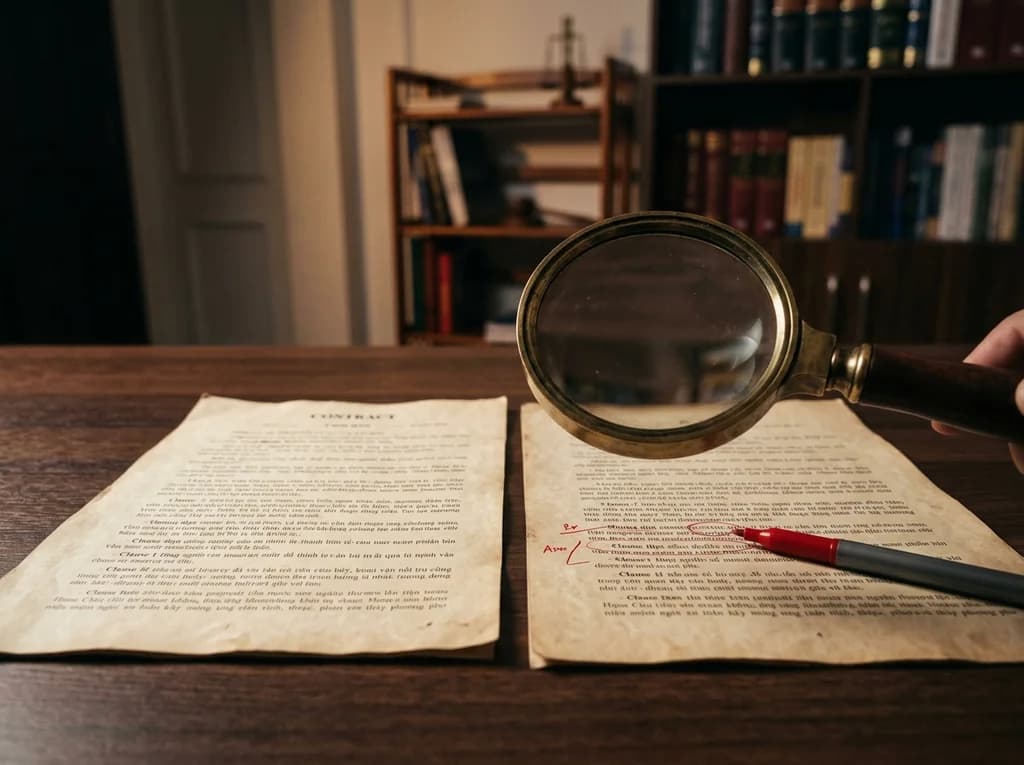
1. Document Assessment
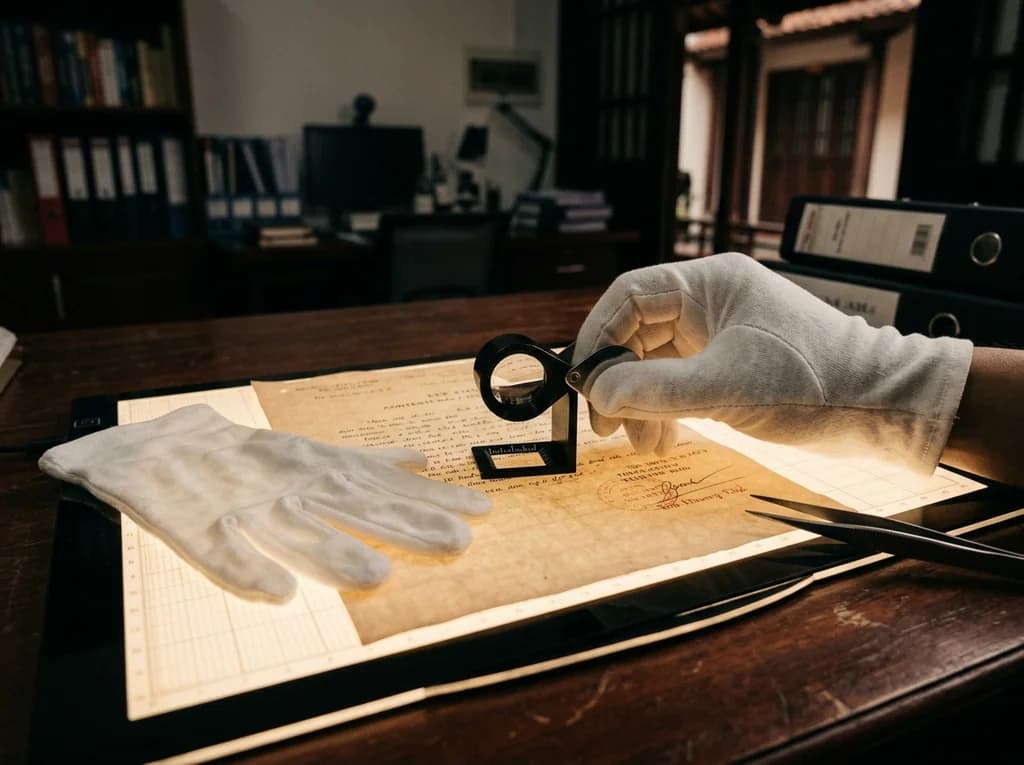
a) Handwriting and Signature Assessment
This is the most common type in civil cases, especially in contract and inheritance disputes.
Purposes:
- Verify signature authenticity on contracts and wills
- Identify document authors (e.g., handwritten wills)
- Detect forged signatures or signatures made by others
Practical application: In Judgment No. 35/2024/DS-PT at the HCMC High Court, handwriting assessment results confirmed that a handwritten will was written by the testator, playing a decisive role in the ruling.
b) Document Age Assessment
Determines when documents were created, detecting forgeries or date alterations.
2. Construction Assessment
For construction-related disputes:
- Quality evaluation of structures
- Determination of damage causes
- Calculation of actual work volumes
- Construction valuation
3. Financial and Accounting Assessment
- Auditing accounting records
- Determining financial damages
- Enterprise valuation (in shareholder disputes)
- Determining actual profits and revenue
4. Medical Assessment
- Determining disability rates
- Evaluating work capacity
- Determining cause of death
- Psychiatric assessment (in cases declaring loss of civil capacity)
5. Real Estate Assessment
- Survey and boundary determination
- Property valuation
- Property condition evaluation
- Land origin determination (through map and document analysis)
6. Intellectual Property Assessment
- Evaluating IP rights infringement
- Determining similarity between trademarks and patents
- Calculating damages from IP violations
Assessment Request Procedure
1. Right to Request Assessment
Under Article 102 of the 2015 Civil Procedure Code:
- Parties have the right to request assessment
- Courts may issue assessment orders
- Procuracy may request assessment (when participating in hearings)
2. Request Procedure
Party-initiated request (Article 102(2)):
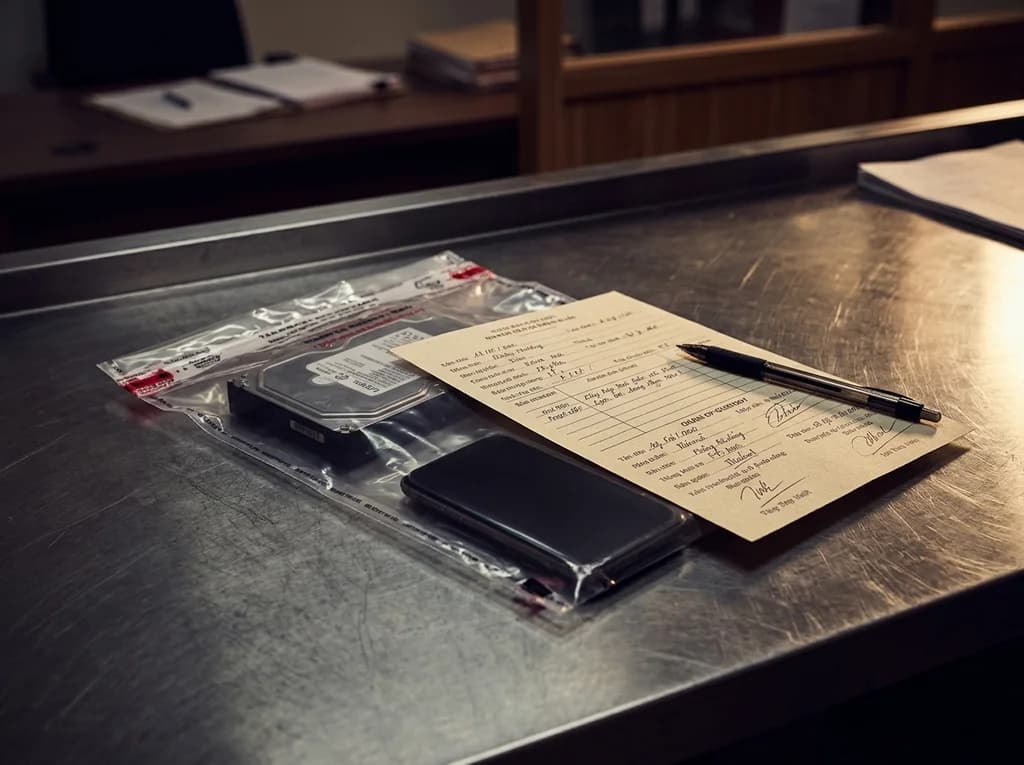
- Submit assessment request to forensic assessment organization
- Provide specimens and documents for assessment
- Pay assessment costs
Court-ordered assessment (Article 102(1)):
- Court issues assessment decision
- Defines assessment scope and deadline
- Delivers specimens and documents to the assessment organization
3. Selecting Assessment Organizations
Forensic assessment organizations in Vietnam:
- Institute of Forensic Science (Ministry of Public Security): Document, handwriting, signature assessment
- Construction Assessment Center (Ministry of Construction): Structure quality assessment
- Institute of Forensic Medicine (Ministry of Health): Medical assessment
- Private forensic assessment organizations: Permitted under the 2012 Law
4. Assessment Timeframes
Under Article 26 of the 2012 Forensic Assessment Law, maximum assessment periods:
- 3 months for complex cases
- 1 month for ordinary cases
- Extension of up to 1/2 of the assessment period is possible
Legal Value of Assessment Conclusions
1. As Evidence Source
Under Article 95(1)(e) of the 2015 Civil Procedure Code, assessment conclusions are an evidence source. However, they are not binding on courts.
2. Evaluating Assessment Conclusions
Under Article 98 of the 2015 Civil Procedure Code, courts must evaluate:
- Objectivity and scientific rigor of assessment methods
- Completeness of assessed specimens and documents
- Consistency with other case evidence
Courts are not bound by assessment conclusions and must evaluate them comprehensively alongside other evidence.
3. Re-assessment and Supplementary Assessment
Under Article 103 of the 2015 Civil Procedure Code:
- Re-assessment: When doubts exist about conclusions or parties have different assessment results
- Supplementary assessment: When conclusions are incomplete or unclear
Under Article 30 of the 2012 Law (amended 2020), in special cases, an Assessment Council may be established by ministerial decision.
Practical Lessons
Case 1: Real Estate Valuation Assessment
In a post-divorce asset division dispute, two parties presented different valuation certificates (40% discrepancy). The court ordered re-assessment by a third valuation organization. The re-assessment result fell between the two initial values and was accepted by the court.
Lesson: When multiple assessment conclusions conflict, re-assessment by an independent organization is an effective solution.
Case 2: Signature Assessment on Contract
In a house sale contract dispute, the seller denied the signature. Assessment by the Institute of Forensic Science confirmed the signature was genuine. The seller requested re-assessment by another organization, which also confirmed authenticity. The court accepted the assessment conclusion.
Lesson: Signature assessment by reputable institutions carries very high evidentiary value and is difficult to challenge.
Recommendations for Practitioners
1. Request Assessment at the Right Time
- Request early in proceedings to avoid delays
- Clearly define assessment scope
- Prepare complete specimens and comparison materials
2. Select Appropriate Assessment Organizations
- Prioritize reputable organizations with relevant expertise
- Verify operating licenses and assessor certifications
- Reference the organization's previous assessment conclusions
3. Challenging Unfavorable Conclusions
- Request re-assessment or supplementary assessment
- Examine whether methods are scientifically sound
- Cross-reference conclusions with other evidence
- Invite expert witnesses to testify at trial
4. Assessment Costs
- The requesting party pays provisional costs
- Assessment costs are included in court fees borne by the losing party
- Note: Costs can be very high (especially for real estate and accounting assessments)
Conclusion
Forensic assessment is a critical tool in civil cases, helping courts and parties determine objective truth. Lawyers must understand procedures, legal value, and techniques for using assessment conclusions to effectively protect client interests. They must also be capable of scientifically and persuasively challenging unfavorable conclusions.