Principles of Proof in Contract Disputes
1. Burden of Proof
Under Article 91 of the 2015 Civil Procedure Code, parties bear the burden of proving their claims. Specifically in contract disputes:
- Plaintiff must prove: contract existence, agreement terms, defendant's breach, actual damages, causal relationship between breach and damages
- Defendant must prove: exemption grounds (force majeure, other party's fault), proper performance, or counterclaim basis
Notably, in consumer disputes, Article 42 of the 2023 Consumer Protection Law shifts the burden of proof to business entities.
2. Standard of Proof
Under Article 93 of the 2015 Civil Procedure Code, facts not requiring proof include:
- Facts established in effective court judgments
- Facts acknowledged by parties
- Notorious facts known to everyone
Vietnamese courts apply the "balance of probabilities" standard in civil cases, different from the "beyond reasonable doubt" standard in criminal cases.
Types of Evidence in Contract Disputes
1. Documentary Evidence
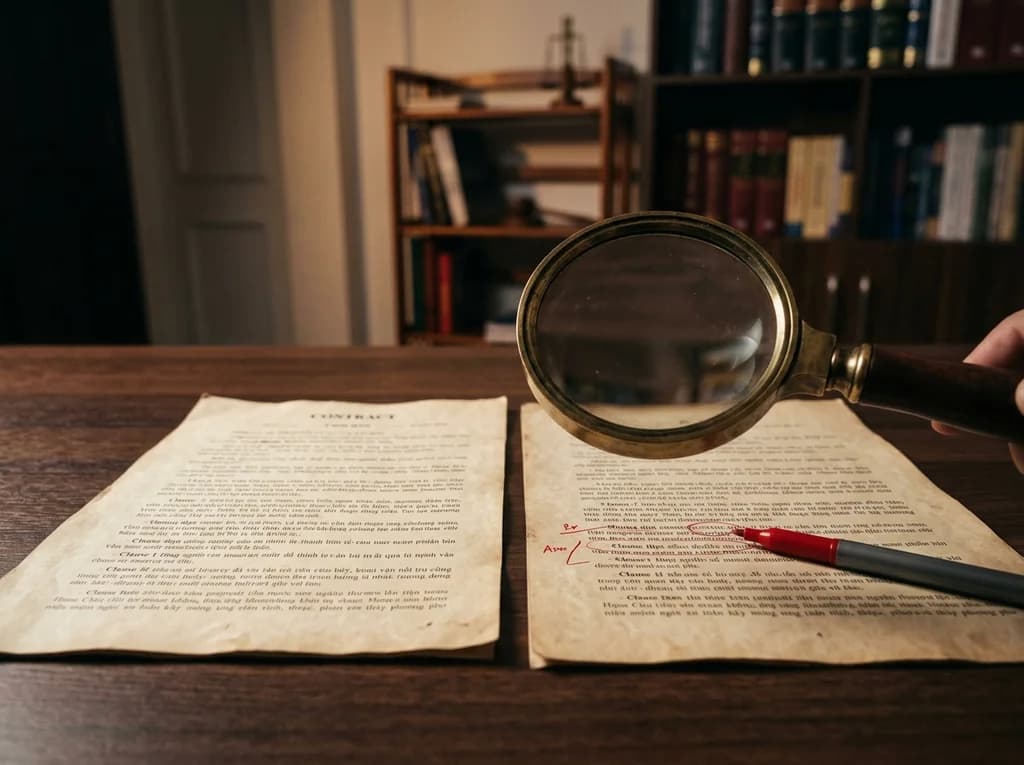
a) The Contract Itself
The contract is the central evidence, requiring evaluation of:
- Contract validity: Compliance with Article 117 of the 2015 Civil Code (subject capacity, voluntariness, lawful content, form)
- Agreement content: Specific clauses on rights, obligations, deadlines, methods
- Annexes and amendments: Supplementary and amendment documents
b) Related Transaction Documents
- Purchase orders
- Delivery receipts
- Acceptance reports
- Invoices and payment vouchers
- Correspondence and emails during contract performance
- Complaint letters and performance demands
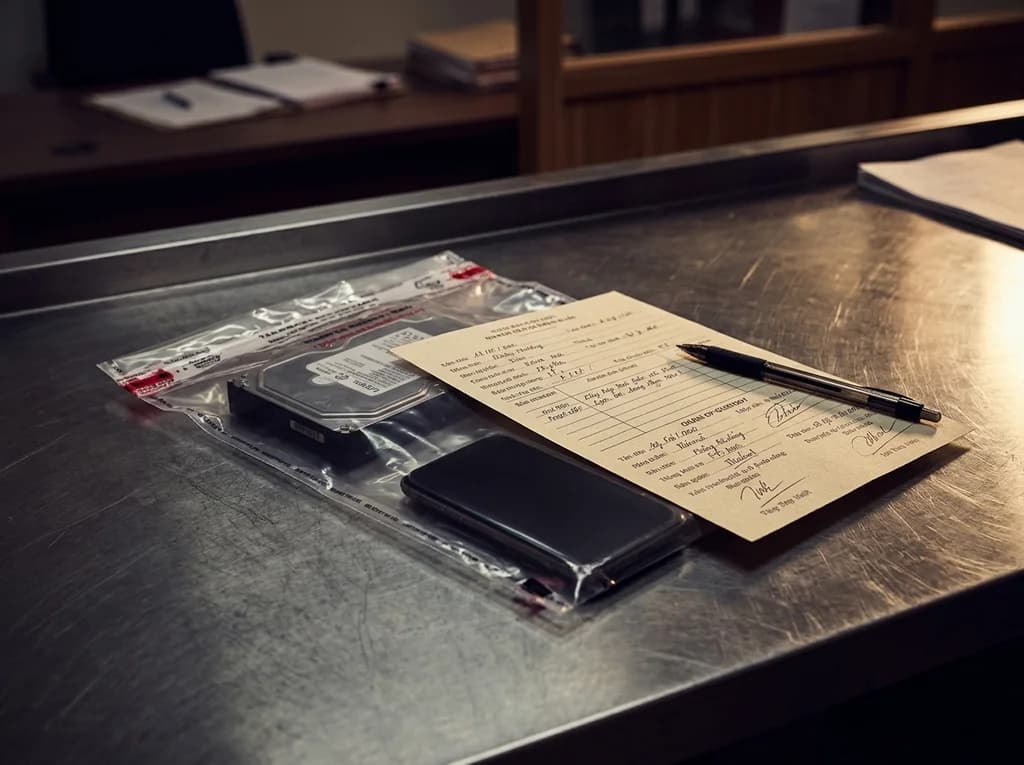
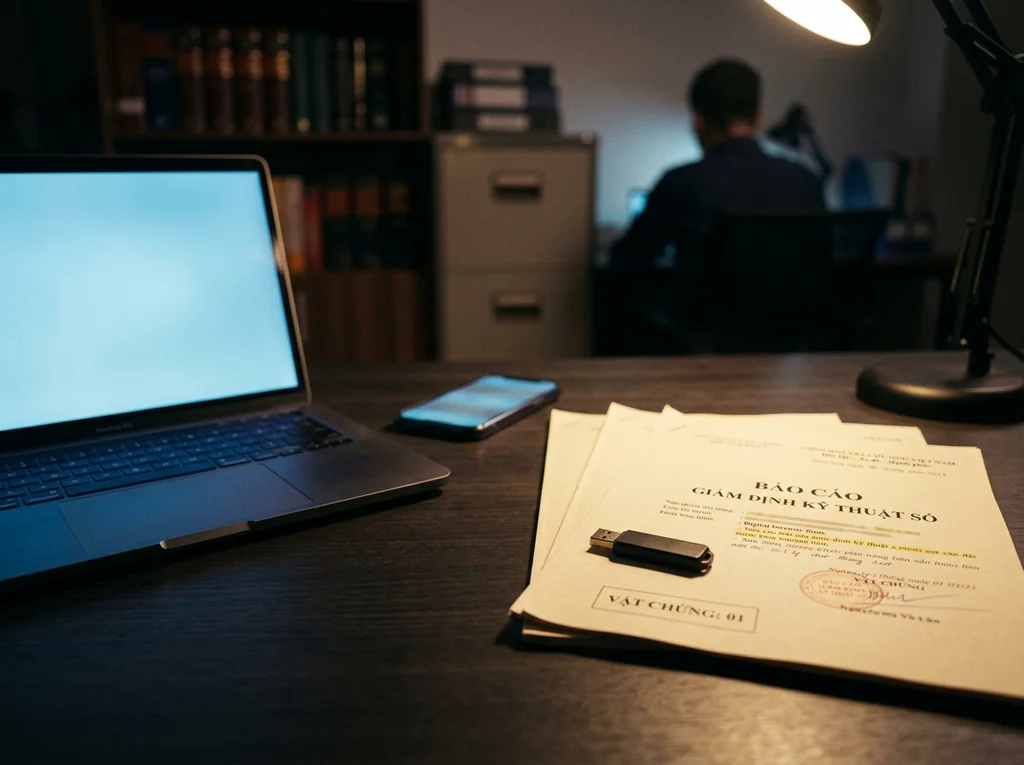
2. Digital Evidence
Emails and messages are increasingly important in contract disputes, particularly for proving:
- Pre-contract negotiation processes
- Amendment and supplement requests
- Breach notifications
- Payment and delivery demands
3. Witness Evidence
Under Article 95(1)(a) of the 2015 Civil Procedure Code, party and witness testimony constitute evidence sources. In contract disputes, witnesses typically include:
- Negotiation and signing participants
- Goods delivery personnel
- Accountants and finance staff
- Technical experts (quality assessment)
4. Assessment Evidence
Forensic assessment conclusions regarding:
- Contract signatures
- Goods or construction quality
- Asset values and damages
- Accounting records
Evidence Assessment Methods
1. Legality Assessment
Evidence must satisfy:
- Proper collection procedures (Article 95(2), 2015 Civil Procedure Code)
- No violation of fundamental rights (privacy, trade secrets)
- Compliance with data protection and cybersecurity regulations
2. Relevance Assessment
Evidence must directly relate to:
- The disputed event
- Parties' claims
- Facts requiring proof
3. Probative Value Assessment
Under Article 108 of the 2015 Civil Procedure Code, courts evaluate each piece of evidence individually and collectively:
a) Direct vs. Circumstantial Evidence
- Direct: Contracts, delivery receipts — directly proving events
- Circumstantial: Emails, witness testimony — proving indirectly through inference
b) Originals vs. Copies
- Originals have higher probative value
- Copies are valid only when verified against originals or legally certified
c) Consistency Among Evidence
- Evidence must be consistent and non-contradictory
- When conflicting, courts prioritize evidence with higher probative value
Evidence Assessment by Dispute Type
1. Contract Performance Breach
Must prove:
- Specific contractual obligations
- Breach conduct (non-performance or improper performance)
- Time of breach
Key evidence: Contract, delivery receipts, complaint letters, breach notification emails
2. Damage Disputes
Under Article 360 of the 2015 Civil Code, the breaching party compensates all damages. Must prove:
Direct damages:
- Value of damaged goods (invoices, appraisal certificates)
- Remediation costs (invoices, repair contracts)
- Penalties from third-party contracts
Indirect damages:
- Lost profits (based on accounting records, business plans)
- Opportunity costs (per Case Law No. 52/2022/AL)
- Commercial reputation loss (difficult to prove, requires specific evidence)
3. Contract Validity Disputes
When seeking contract annulment (Articles 122-133, 2015 Civil Code), must prove:
- Violation of prohibitions (Article 123): Cite specific violated legal provisions
- Sham transactions (Article 124): Prove parties' actual intent differs from contract content
- Mistake (Article 126): Prove the mistake was material
- Fraud or duress (Article 127): Prove fraudulent or coercive conduct and causation
4. Contract Interpretation Disputes
Under Article 404 of the 2015 Civil Code, when contracts have unclear provisions:
- Interpret according to common intent (negotiation emails, meeting minutes)
- Interpret according to ordinary meaning
- Interpret according to commercial customs
- Interpret in favor of the weaker party
Evidence Rebuttal Techniques
1. Challenging Legality
- Prove evidence was unlawfully collected
- Request exclusion of legally non-compliant evidence
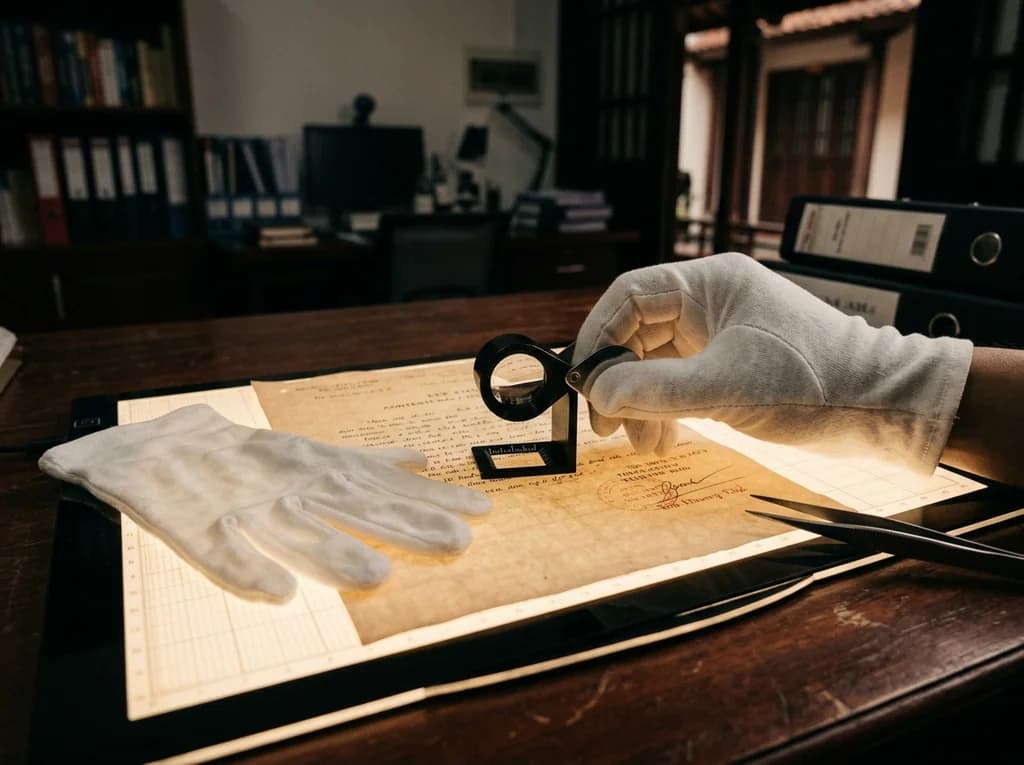
2. Challenging Authenticity
- Request signature/handwriting assessment
- Request copy-to-original verification
- Identify inconsistencies in evidence
3. Challenging Probative Value
- Present contradictory evidence
- Cross-examine witnesses to expose weaknesses
- Cite case law with different evidence assessment approaches
Lessons from Adjudication Practice
In Judgment No. 38/2025/KDTM-PT at the Hanoi High Court, the court rejected indirect damage claims because the plaintiff only presented a business plan without specific evidence of the plan's feasibility. The court emphasized: damages must be "actual, direct, and provable."
Conclusion
Evidence assessment in contract disputes requires combining deep legal knowledge with logical analytical thinking. Lawyers must prepare comprehensive, consistent, high-value evidence systems while being capable of persuasively rebutting unfavorable evidence.