Legal Basis for Witness Examination
The right to examine witnesses at civil hearings is governed by:
- Article 249 of the 2015 Civil Procedure Code: Hearing questioning procedures — parties, lawyers, and legal representatives may question witnesses
- Article 250: Hearing witness testimony
- Article 78: Rights and obligations of witnesses
- Article 98: Evaluating witness testimony as evidence
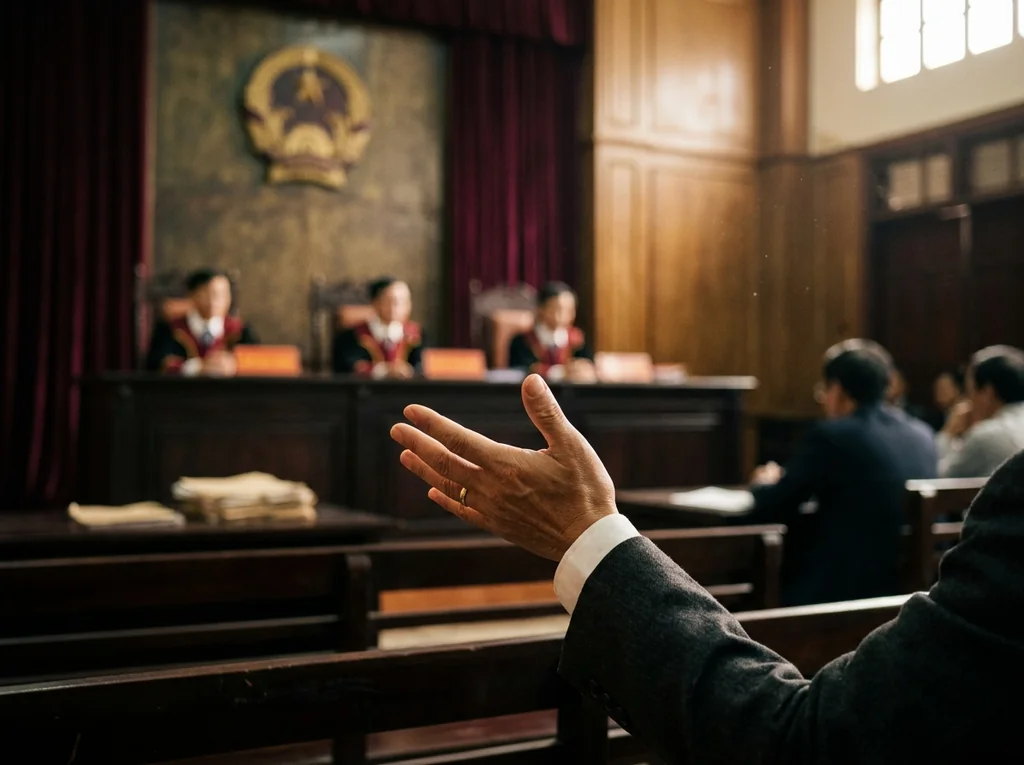
Under Article 249(3), questioning order: Presiding judge first, then People's Assessors, then parties' legal representatives, parties, and finally the Procurator.
Fundamental Principles
1. Preparation Is Decisive
Never enter a courtroom without prepared questions. Lawyers must:
- Study previous witness statements
- Identify facts requiring witness confirmation
- Predict answers and prepare follow-up questions
- Prepare supporting documents and evidence
2. Know Each Question's Purpose
Every question must serve a specific objective:
- Confirm facts favorable to the client
- Negate opposing party's claims
- Expose contradictions in testimony
- Diminish opposing witness credibility
3. Never Ask Questions Without Knowing the Answer
Especially in cross-examination, the golden rule is never asking questions with unpredictable answers. Unexpected responses can harm the client.
Direct Examination Techniques
Purpose Directly questioning your own witness to elicit favorable information.
Techniques
a) Open-Ended Questions
- "Please describe the goods delivery process on March 15, 2025."
- "What did you witness at the time the contract was signed?"
- "Describe the house's condition when you inspected it."
Open questions allow witnesses to present details naturally and persuasively.
b) Logical Sequence
Organize questions chronologically or thematically: 1. Context (who, where, when) 2. Main events 3. Consequences and results 4. Important details requiring emphasis
c) Avoid Leading Questions
In direct examination, avoid suggesting answers:
- WRONG: "It's true that Mr. A didn't deliver on time, correct?"
- RIGHT: "When did Mr. A deliver the goods?"
d) Supporting Documents
Present documents for witness review:
- "I'd like the witness to examine Document No. 5 — this is the delivery receipt. Do you recognize this document?"
- "Is the signature at the bottom yours?"
Cross-Examination Techniques
Purpose Test and challenge opposing witness testimony.
Techniques
a) Closed Questions
Unlike direct examination, cross-examination uses closed questions for answer control:
- "Were you present at the scene on March 15?" (Yes/No)
- "The contract specified a 30-day delivery deadline, correct?"
- "You didn't inspect the goods before signing the receipt, correct?"
b) Leading Questions
In cross-examination, leading questions are permitted:
- "The fact is you were only at the scene for 5 minutes, correct?"
- "You didn't read the entire contract before signing, did you?"
c) Exposing Contradictions
Compare hearing testimony with prior statements or other evidence: - "In the statement dated January 10, 2025, you said [quote]. Today you said [quote]. How do you explain this difference?"
d) Testing Reliability
- Relationship with parties: "Are you related to/friends with/doing business with the defendant?"
- Perception capability: "How far were you from where the event occurred?"
- Time elapsed: "This happened 3 years ago. Are you certain about this detail?"
- Related interests: "Have you received any benefits from the defendant?"
e) "One Question, One Fact" Principle
Each question addresses only one fact:
- WRONG: "Were you there and did you see Mr. A sign the contract?"
- RIGHT: "Were you there?" then "Did you see Mr. A sign the contract?"
Re-Examination Techniques
Purpose After cross-examination, lawyers may re-examine to:
- Clarify points distorted during cross-examination
- Restore witness credibility
- Supplement important omitted information
Techniques
- Only address issues raised during cross-examination
- Use open questions for witness explanation
- Avoid repeating already-presented content
Handling Difficult Situations
1. Uncooperative Witnesses
- Remind about truthful testimony obligation (Article 78, 2015 Civil Procedure Code)
- Request the presiding judge to admonish the witness
- Use closed questions requiring direct answers
2. Witnesses Changing Testimony
- Compare with prior statements (statement records)
- Request explanation for changes
- Ask the court to assess testimony reliability
3. Expert Witnesses When examining assessors or experts:
- Verify qualifications and experience
- Question methodology used
- Compare with other expert opinions
- Request technical term explanations for the court panel
Common Mistakes to Avoid
- Overly long, complex questions: Witnesses don't understand, judges lose patience
- Unplanned cross-examination: Random questions leading to unfavorable answers
- Arguing with witnesses: Lawyers question, they don't argue; argument is for the debate phase
- Missing the right moment to stop: When you get a favorable answer, stop immediately
- Disrespectful attitude: Creates negative impression with the court panel
Vietnamese Civil Litigation Specifics
Unlike common law systems, Vietnamese civil proceedings have unique features:
- Judges actively question first, lawyers follow
- No strict hearsay rules
- More flexible cross-examination scope
- Witness testimony is combined with written evidence, not the sole source
Conclusion
Witness examination is an art requiring thorough preparation, quick thinking, and courtroom control. Skilled examiners can transform witness testimony into powerful weapons for client protection. Investing in this skill is investing in litigation quality.