Introduction
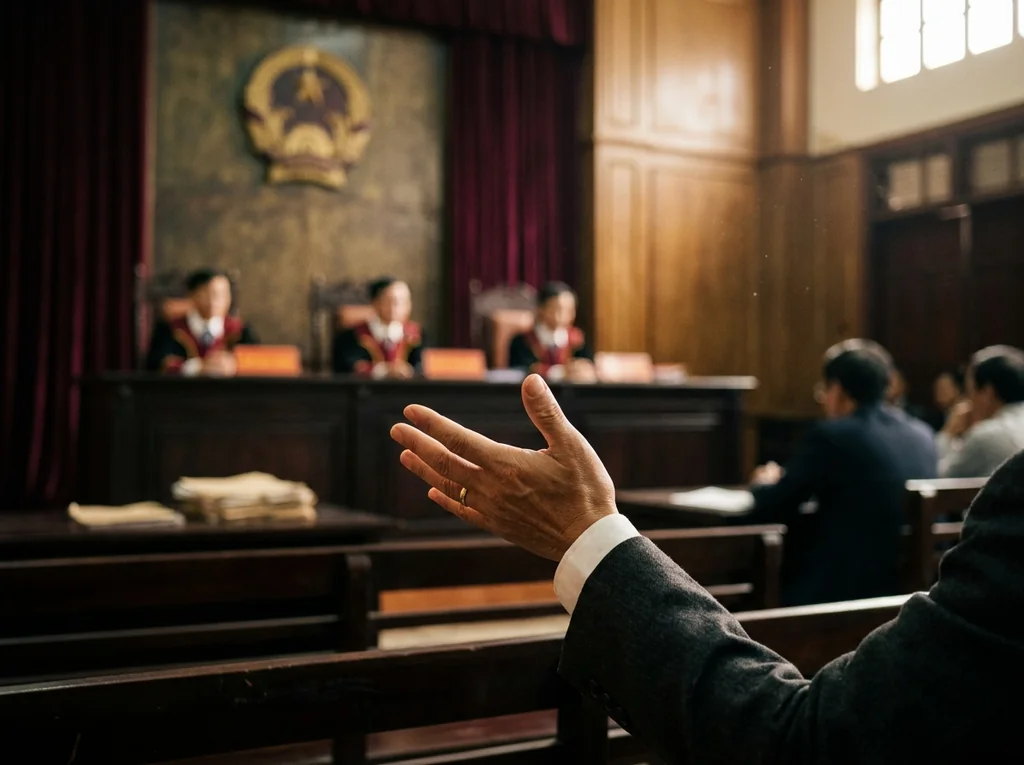
Oral advocacy at trial is the most critical phase of civil proceedings. This is the opportunity for lawyers to present legal arguments, analyze evidence, and persuade the Judicial Panel to protect their clients' interests. Advocacy skills require not only extensive legal knowledge but also communication ability, rapid analysis, and flexible improvisation.
This article provides comprehensive guidance on oral advocacy skills in civil court hearings, from pre-trial preparation to managing complex situations.
1. Legal Framework for Trial Advocacy
1.1. Civil Trial Procedures
The CPC 2015 details trial procedures:
- Article 247: Trial opening procedures
- Articles 248-261: Examination procedures at trial
- Article 262: Order of statements during oral arguments
- Article 263: Debate and oral arguments
- Article 264: Return to examination during arguments
1.2. Lawyer's Rights at Trial
Under Articles 262-263 of the CPC 2015, lawyers have the right to:
- Express views on evidence assessment
- Express views on legal application
- Present specific claims
- Argue and debate with the opposing party
- Request return to the examination phase if new issues are discovered
1.3. Role of the Procurator
For certain case types, the Procurator participates and expresses views. Practitioners must prepare responses to the Procuracy's positions as well.
2. Pre-Trial Preparation
2.1. Case File Study
This foundational step cannot be skipped:
- Thoroughly read the entire case file, especially opposing evidence
- Create evidence summary tables: favorable, unfavorable, and unclear evidence
- Identify key legal points for argument
- Research the presiding judge: adjudication style and tendencies
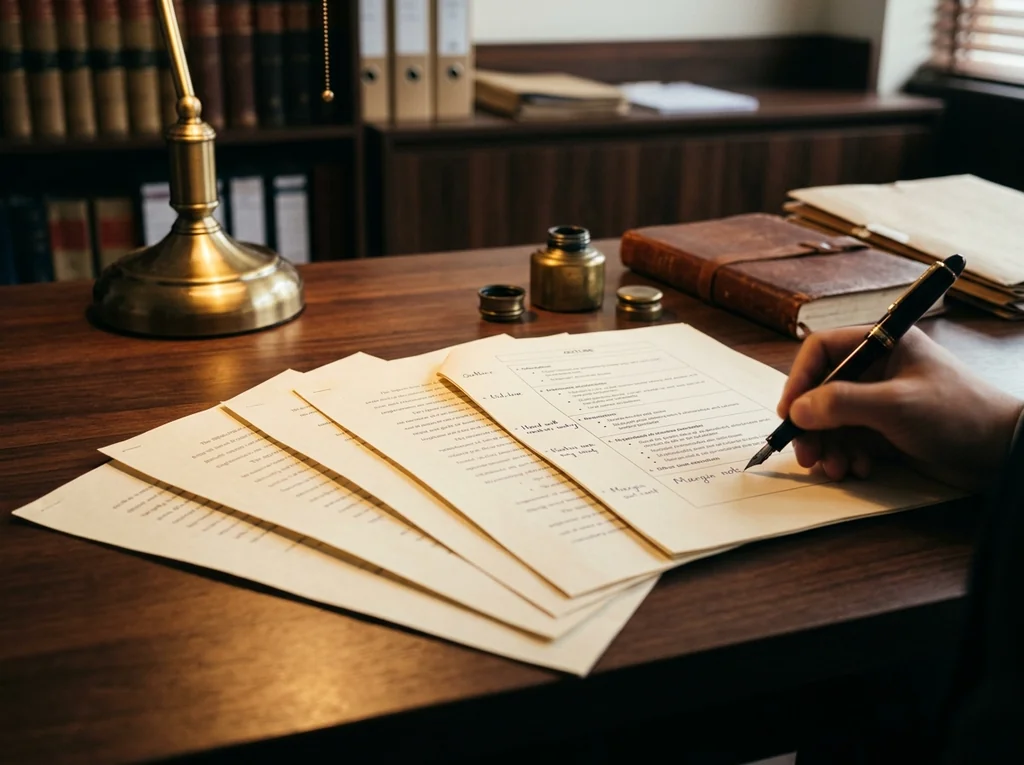
2.2. Preparing the Legal Brief
The legal brief is a pre-prepared document including:
- Opening: Case summary and identification of disputed issues
- Factual Analysis: Present facts from a perspective favorable to the client
- Legal Citations: Specific legal bases
- Evidence Analysis: Evaluate both parties' evidence
- Claims: Specific proposals to the Judicial Panel
2.3. Preparing Rebuttals
Anticipate opposing arguments and prepare counterarguments:
- List all possible opposing arguments
- Prepare rebuttals for each argument
- Prepare supporting precedents and legal provisions
- Practice through moot court sessions with colleagues
2.4. Formal Preparation
- Professional attire (lawyers must wear the traditional robe reflecting court solemnity)
- Organize documents in easily searchable order
- Bring legal texts needed for citation
- Arrive early to settle psychologically
3. Presentation Techniques at Trial
3.1. Opening Techniques
- Open with the core issue, avoid rambling
- State your position immediately: "Honorable Judicial Panel, we submit that..."
- Briefly summarize the main points to be argued
- Create an impression of confidence and professionalism
3.2. Argument Presentation Techniques
Syllogistic Structure:
- Major premise: Legal norm ("Under Article X, Law Y provides...")
- Minor premise: Actual facts ("In this case, the defendant...")
- Conclusion: Specific claim ("Therefore, the defendant must...")
Presentation Principles:
- Speak slowly, clearly, and audibly
- Use standard legal language
- Avoid repetition and verbosity
- Reference specific evidence when arguing
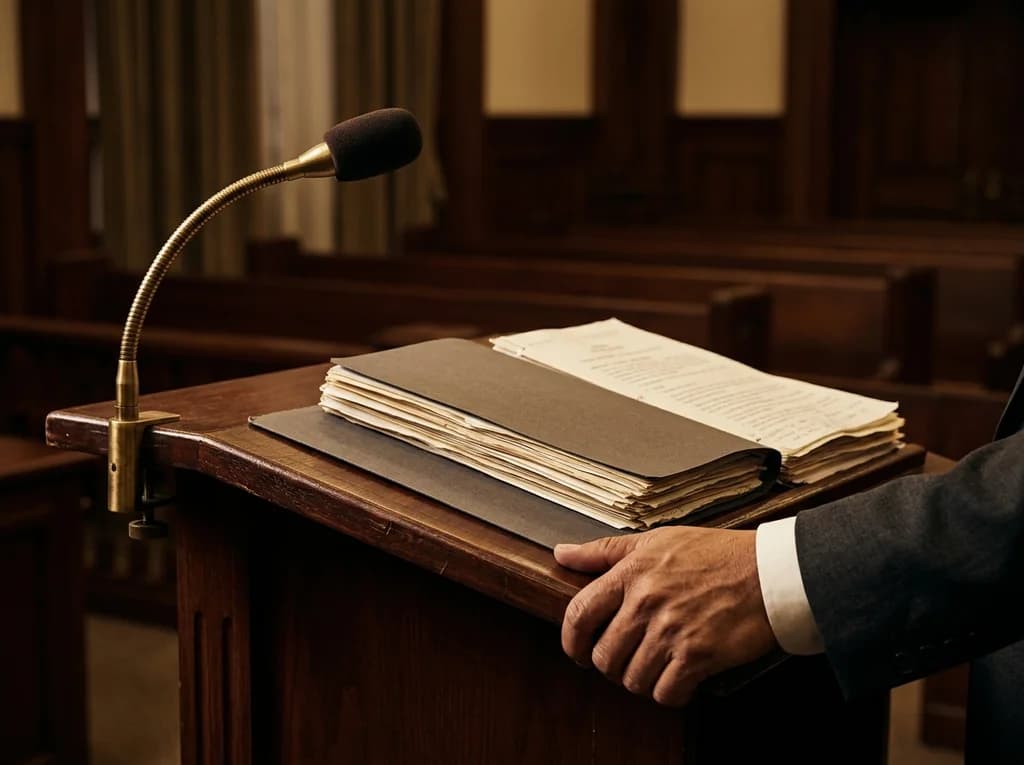
- Address the Judicial Panel when presenting; do not read the brief verbatim
3.3. Evidence Utilization Techniques
- When citing evidence, specify its location in the file: "At document number X, page Y..."
- Present evidence in logical chains, not disconnected pieces
- Connect evidence to legal norms
- Use opposing party's evidence to support your arguments if possible
3.4. Precedent Citation Techniques
- State the precedent number and its reasoning clearly
- Explain similarities between the precedent and the current case
- Provide the Judicial Panel with precedent copies if needed
- Use precedents to supplement, not replace, statutory citations
4. Debate and Rebuttal Skills
4.1. Debate Principles
Under Article 263 of the CPC 2015:
- Debate issue by issue, do not jump around
- Respond directly to opposing arguments
- Do not evade issues; acknowledge weaknesses if necessary while minimizing impact
- Remain calm; do not let emotions take control
4.2. Effective Rebuttal Techniques
- Factual Rebuttal: Point out that opposing facts are inaccurate or incomplete
- Legal Rebuttal: Show that opposing party applied wrong law or cited irrelevant provisions
- Evidence Rebuttal: Demonstrate that opposing evidence lacks authenticity, legality, or relevance
- Logic Rebuttal: Identify internal contradictions in opposing arguments
4.3. Handling Questions from the Judicial Panel
When the Judicial Panel asks questions:
- Listen carefully; do not interrupt the judge
- Respond directly and concisely
- If the question is unclear, politely request clarification
- If the question is unfavorable, acknowledge the issue but provide a reasonable explanation
- Thank the Judicial Panel after being permitted to speak
5. Examination Phase at Trial
5.1. Questioning Techniques
The examination phase (Articles 248-261, CPC 2015) presents a crucial opportunity:
- Closed Questions: Require yes/no answers; use to confirm facts
- Open Questions: Require explanations; use when detailed information is needed
- Leading Questions: Embed facts in the question; use with opposing witnesses
- Verification Questions: Cross-check testimony against documentary evidence
5.2. Questioning Principles
- Never ask questions to which you do not already know the answer
- Ask questions in logical sequences leading to desired conclusions
- Do not argue with the witness during the examination phase
- Object to opposing party's leading or irrelevant questions
6. Managing Complex Situations
6.1. When Opposing Party Presents New Evidence
If new evidence is presented at trial:
- Request time to review and study
- Object if evidence was submitted past the deadline without justification
- Request adjournment if evaluation time is needed
6.2. When Client Makes Unfavorable Statements
If the client makes unfavorable statements at trial:
- Do not argue with the client at trial
- During oral arguments, explain and recontextualize the statement
- Request permission from the Judicial Panel for a brief consultation if needed
6.3. When the Procurator Issues Unfavorable Views
- Record the Procurator's complete views
- During oral arguments, rebut each specific point
- Cite law and precedent for rebuttals
- Maintain a respectful, professional demeanor
7. Closing Statement
7.1. Closing Statement Structure
- Summarize the main points argued
- Emphasize the strongest arguments
- Address opposing rebuttals
- Present specific proposals to the Judicial Panel
7.2. Persuasion Techniques
- Focus on 2-3 strongest arguments; do not spread thin
- Use strong but professional language
- Conclude with clear, specific claims
8. Professional Ethics in Advocacy
- Do not distort facts or law
- Respect the Judicial Panel, opposing party, and all participants
- Do not employ procedural tricks to delay or disrupt
- Protect client confidences without violating the law
9. Conclusion
Oral advocacy skills at trial combine thorough preparation, solid legal knowledge, persuasive presentation ability, and flexible improvisation. Practitioners must continuously develop these skills through practical experience, participation in moot courts, and learning from experienced colleagues.
Success at trial depends not on eloquence but on the quality of legal arguments, solid evidence, and a sound litigation strategy.